

There is no color in the automotive world more elegant, crisp, and high-visibility than a flawless factory white pearl or mineral white finish. However, white vehicle owners share a unique, collective anxiety: environmental discoloration. Over years of daily exposure to atmospheric fallout and sunlight, unprotected white factory paint naturally loses its brilliance and begins to take on a dull, chalky, yellowish hue.
Naturally, white car owners look to Paint Protection Film (PPF) as the ultimate defensive shield.
But as you browse forums and detailing shops in 2026, you will inevitably hit a wall of warnings: "Don't wrap a white car; the film will just turn yellow and ruin the look."
Let us address this anxiety with absolute chemical honesty. To make an informed decision for your vehicle, you must understand the real polymer science of UV degradation, debunk the marketing myths of "zero yellowing," and discover why the right structural film is the only way to successfully freeze your white paint's crystalline aesthetic in place.
1. The Scientific Truth: Why 100% "Zero Yellowing" is a Myth
Let let us clear up a massive piece of industry misinformation immediately: No polymer film on Earth can completely prevent a white vehicle from yellowing, nor can any film claim to be 100% immune to discoloration over an infinite timeline.Any brand promising absolute "zero yellowing" is misrepresenting basic organic chemistry.
[ Constant Solar UV Bombardment ] ──> Attacks Carbon-Nitrogen Polyurethane Bonds
│┌─────────────────────────────┴──────────────────────────────┐
▼ ▼
[ Cheap Aromatic TPH/PVC Film ] [ Premium Aliphatic TPU Shield ]
- Weak molecular structure ruptures rapidly - Highly stable chemical ring matrix
- Turns severe brownish-yellow in 6 months - Dramatically delays yellowing for years
Thermoplastic Polyurethane is an organic polymer chain. When subjected to years of intense solar ultraviolet (UV) radiation, the chemical bonds holding the polymer matrix together undergo a slow process called photo-oxidative degradation. This structural breakdown creates microscopic chemical byproducts called chromophores, which naturally tint the material yellow.
The goal of elite vehicle protection is not to break the laws of physics, but to utilize advanced molecular engineering to master them.
2. Aromatic vs. Aliphatic: The Speed of the Clock
While all polymers face UV exposure, the speed at which they discolor is determined entirely by their molecular architecture. This is where the gap between a cheap white-label film and a world-class protective platform becomes vast.
The Low-Grade Disaster (Aromatic TPH/PVC)
Cheap entry-level films utilize Aromatic chemical structures. These polymer chains contain unstable benzene rings that act like chemical lightning rods for UV damage. When exposed to sunlight, these bonds rupture almost immediately. On a white car, an aromatic film will oxidize so rapidly that it will turn a noticeable, ugly brownish-yellow within 6 to 12 months, making the vehicle look neglected and severely aged.The Premium Defense (Aliphatic TPU)
High-tier defensive platforms—engineered to the uncompromising chemical manufacturing standards found in lines like Motec—strictly utilize pure Aliphatic TPU.
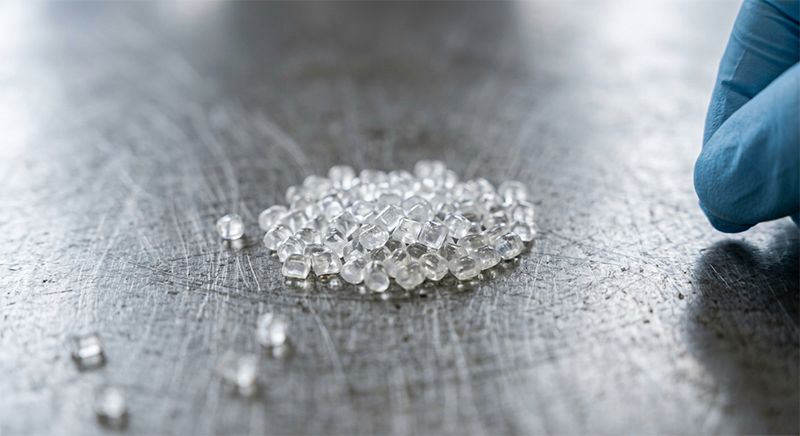
Instead of unstable benzene rings, aliphatic structures use fully saturated carbon-hydrogen chains that are inherently transparent to ultraviolet light. High-quality TPU protective film does not entirely prevent the yellowing process, but it dramatically delays the yellowing speed to a near-microscopic crawl. Under the exact same climate conditions where a cheap film fails in months, an aliphatic system remains crystal clear and optically vibrant for years, preserving that fresh, ice-cold white factory reflection.
3. The Double-Sided Shield: Protecting the Paint from the Air
When you wrap a white car in a premium Aliphatic TPU film, you are not just buying UV resistance; you are halting a secondary cause of yellowing: Atmospheric Staining.Unprotected automotive clear coats are semi-porous on a microscopic scale. When a white car is driven through industrial smog, acidic rainfall, and iron brake dust, these microscopic contaminants embed themselves directly into the clear coat's pores. Over time, these trapped particles oxidize and stain the paint from the inside out, turning the crisp white into a weathered cream color.
A premium clear bra seals these pores permanently. The dense nano-topcoat built into elite film configurations prevents environmental pollutants from ever touching the paint matrix. The film bears the brunt of the atmospheric warfare, keeping the underlying factory finish hermetically sealed in its original, unoxidized state.
4. FAQ
How can I tell if the film on my white car is yellowing or if it is just dirty?
Industrial fallout, road grime, and iron deposits can accumulate on top of the film's hydrophobic coating over time, mimicking a yellow tint. Before panicking, take the car to a professional detailer for a deep decontamination wash using a pH-neutral iron remover and clay bar treatment. In many cases, removing the surface soot completely restores the film's original crystalline clarity.
Does parking my white car indoors completely stop the yellowing process?
Parking in a garage or shaded area directly extends the lifespan of any film because it reduces the cumulative UV dosage the material receives. While it won't alter the core chemical makeup of the film, shielding the vehicle from prolonged, intense midday sun ensures that the Aliphatic TPU core operates at its absolute peak performance for much longer.
Why do low-grade films look yellow faster around the hood and engine bay?
Photo-oxidative degradation is accelerated by heat. Low-grade TPH and PVC films suffer a double attack: UV radiation from above and intense thermal radiation from the high-performance engine underneath the hood. Premium Aliphatic TPU networks are engineered with advanced thermal stabilizers specifically designed to resist this combined environmental and mechanical heat loading.
5. Conclusion: Freezing Time for White Factory Paint
Ultimately, white automotive paint is a beautiful canvas that demands an uncompromising defensive strategy. Avoiding protective film out of a fear of yellowing is a counterproductive gamble that leaves your vulnerable factory clear coat completely open to rock chips, deep trail scratches, and permanent atmospheric staining.
By selecting a high-density, automotive-grade Aliphatic TPU protection platform built to the strict chemical tolerances of premium brands like Motec, you aren't chasing the myth of magic plastic. Instead, you are investing in proven, high-polymer material science. You accept the honest reality of physics while deploying the absolute best technology available to delay degradation to an absolute crawl, ensuring your white machine commands a flawless, head-turning presence on the road for years to come.